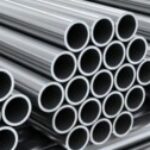
Why are stainless steel pipes crucial in industrial applications?
In industries such as chemical, oil and gas, power, and pharmaceuticals, stainless steel pipesare at the heart of all fluid handling systems. They transport corrosive media, high-pressure steam, and temperature-sensitive materials throughout various process stages.
Choosing the right stainless steel pipe involves more than just diameter and wall thickness. Key considerations include:
Material grade – 304/L steel pipes are suitable for general applications, 316/L steel pipes are suitable for chloride corrosion resistance, 321 steel pipes are suitable for high-temperature stability, and duplex steel pipes are suitable for high strength and resistance to stress corrosion corrosion.
Manufacturing method – Seamless vs. welded pipes. Seamless pipes have a uniform structure and are the preferred choice for high-pressure and critical applications.
Surface treatment – Pickling, annealing, or polishing – directly affects corrosion resistance and cleanliness.
Every qualified shipment must have complete traceability – from heat number to mechanical property test results – and be accompanied by a Factory Test Certificate (MTC) and EN 10204 3.1 documentation. These are not mere formalities, but strong proof that the material conforms to project specifications.
For industrial purchasing personnel and engineers, understanding these basics can help avoid field failures, unexpected downtime, and long-term maintenance costs.
Hobbies
Why are stainless steel pipes crucial in industrial applications?
In industries such as chemical, oil and gas, power, and pharmaceuticals, stainless steel pipes are at the heart of all fluid handling systems. They transport corrosive media, high-pressure steam, and temperature-sensitive materials throughout various process stages.
Choosing the right stainless steel pipe involves more than just diameter and wall thickness. Key considerations include:
Material grade – 304/L steel pipesare suitable for general applications, 316/L steel pipes are suitable for chloride corrosion resistance, 321 steel pipes are suitable for high-temperature stability, and duplex steel pipes are suitable for high strength and resistance to stress corrosion corrosion.
Manufacturing method – Seamless vs. welded pipes. Seamless pipes have a uniform structure and are the preferred choice for high-pressure and critical applications.
Surface treatment – Pickling, annealing, or polishing – directly affects corrosion resistance and cleanliness.
Every qualified shipment must have complete traceability – from heat number to mechanical property test results – and be accompanied by a Factory Test Certificate (MTC) and EN 10204 3.1 documentation. These are not mere formalities, but strong proof that the material conforms to project specifications.
For industrial purchasing personnel and engineers, understanding these basics can help avoid field failures, unexpected downtime, and long-term maintenance costs.